

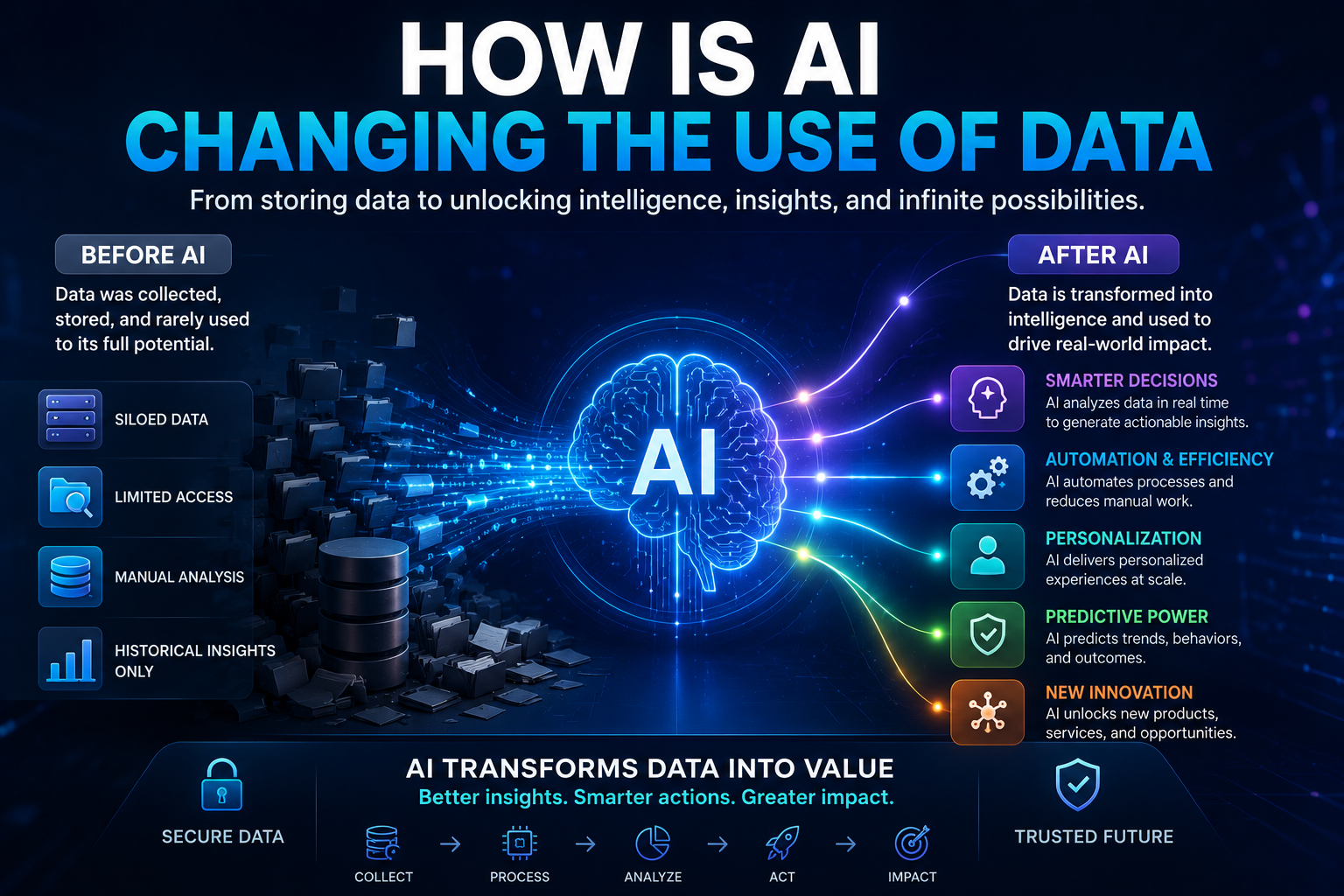
How AI Is Changing Approaches to Working with Data
Artificial intelligence is transforming data from a passive resource into an active business asset. Organizations are no longer storing data simply for record-keeping—they are using it to train AI models, automate decisions, personalize customer experiences, and generate new insights. This shift means businesses must collect, process, and analyze much larger datasets than ever before. Data quality, accessibility, and availability have become critical because AI systems are only as effective as the data they use.
What New Risks and Infrastructure Requirements Are Emerging
As AI adoption grows, so do the challenges of managing and protecting data. Organizations face increasing risks from ransomware, cyberattacks, insider threats, accidental deletion, and cloud service outages. AI workloads also require infrastructure that can scale rapidly, deliver high-speed access, and remain available around the clock. These demands are driving investment in distributed storage, resilient backup systems, stronger encryption, automated disaster recovery, and decentralized infrastructure that reduces reliance on a single provider.
How the Development of AI Agents Is Reshaping the Demand for Security
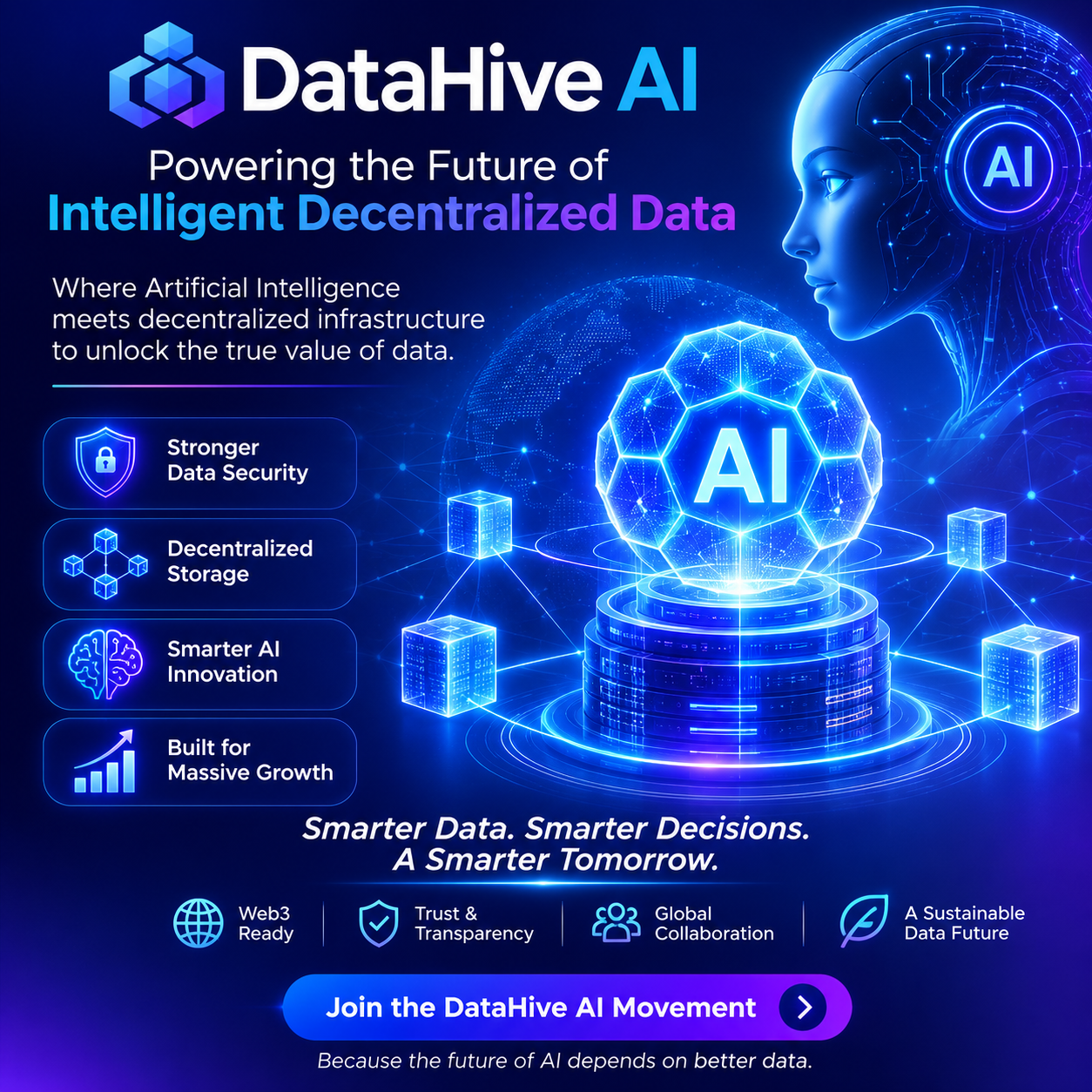
AI agents are becoming increasingly autonomous, capable of accessing databases, executing workflows, communicating with external systems, and making decisions with minimal human intervention. As these agents gain access to more sensitive information, protecting data becomes even more important. Organizations need stronger identity management, encryption, secure storage, continuous monitoring, and reliable backup solutions to prevent unauthorized access, data manipulation, or service disruption. Decentralized storage and backup can play an important role by reducing single points of failure, improving resilience, and ensuring critical data remains available even if individual systems or providers experience outages.
Key takeaway: As AI and autonomous agents become central to business operations, secure, scalable, and resilient data infrastructure is becoming a fundamental requirement rather than an optional enhancement.








Leave a Reply