

Nigeria stands at a defining moment in its history. The 2027 general election is not merely another political contest; it is a referendum on the future of our nation. It is an election that will determine whether Nigeria moves toward accountability, prosperity, and democratic consolidation, or continues down the path of institutional decay, insecurity, economic hardship, and political manipulation.
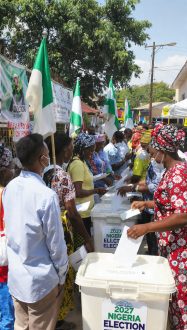
Recent developments have raised serious concerns about the integrity of our electoral system. Many citizens who participated in the 2026 municipal elections in Abuja reported irregularities that deserve urgent investigation and public scrutiny. Numerous voters, including many who had previously identified with the Labour Party and later aligned with the African Democratic Congress (ADC), alleged that they were reassigned to voting centres far away from their traditional polling units without adequate notice. These reports created confusion and frustration among voters who had every intention of participating in the democratic process.
Compounding these concerns were restrictions on movement that reportedly affected many residents on election day. Critics argue that the combination of polling unit reassignments and movement restrictions effectively reduced voter participation in certain areas. Whether by design or administrative failure, the result was the same: many citizens found it difficult to exercise their constitutional right to vote.
These allegations must not be dismissed lightly. Nigerians deserve transparency regarding how voter registration databases are managed, who has access to them, and what safeguards exist against manipulation. Public confidence in elections depends on the assurance that no political party, government official, or special interest group can influence voter records or electoral outcomes through privileged access to electoral infrastructure.
The concerns being expressed across the country go beyond isolated incidents. Many citizens fear that what occurred during local elections may represent a troubling pattern that could be replicated on a larger scale in 2027. Whether these fears are justified or not, they highlight a deep crisis of confidence in the electoral process. Democracy cannot thrive where citizens believe their choices may not count.
Equally troubling are reports from various parts of the country regarding difficulties associated with voter registration and voter transfers. Many prospective voters have complained about persistent network failures and technical obstacles affecting registration processes. While technical challenges can occur in any large system, repeated disruptions naturally invite suspicion and demand prompt explanations. Electoral authorities must be proactive in addressing these concerns and ensuring that every eligible Nigerian can register and vote without unnecessary barriers.
Furthermore, Nigerians have grown increasingly wary of political tactics designed to divide citizens along ethnic, regional, and religious lines. For decades, political actors have exploited these divisions to distract from failures in governance. Yet the reality of insecurity, unemployment, inflation, and declining living standards has demonstrated that hardship does not discriminate. Criminality now affects the poor and the wealthy, the powerful and the powerless alike. The illusion that insecurity can be contained within particular communities has collapsed.
There are also growing debates surrounding the internal democratic processes of political parties. Allegations of irregular delegate accreditation, opaque voting procedures, and controversial counting methods have generated public controversy in both major and emerging political parties. Such concerns reinforce the need for transparency at every stage of the democratic process, from party primaries to the final declaration of election results.
What then must Nigerians do?
First, every eligible citizen must register to vote. Complaining without participating only strengthens those who benefit from voter apathy. Nigerians should utilize every lawful voter registration opportunity available and ensure that their registration details are accurate and up to date.
Second, citizens must become more vigilant. Voters should verify their polling locations well before election day and remain informed about any changes affecting their voting status.
Third, civil society organizations, professional bodies, religious institutions, student groups, and community leaders must intensify voter education and election monitoring efforts. Democracy survives when citizens actively defend it.
Fourth, Nigerians must reject ethnic and religious manipulation. The election should not be about tribe, region, or faith. It should be about competence, accountability, security, economic development, and national progress.
Finally, Nigerians must understand that no foreign leader will rescue our democracy for us. We cannot wait for the United States, Europe, or any international figure to defend our votes. The responsibility belongs to Nigerians alone. The future of our nation rests in our hands.
The signs of democratic stress are visible. The warning signals are flashing. But history teaches that determined citizens can overcome even the most formidable obstacles when united by a common purpose.
As 2027 approaches, Nigerians must awaken from political complacency and embrace their civic responsibility. The price of freedom is eternal vigilance, and the price of democracy is active participation.
In the words often attributed to Thomas Jefferson: “The government you elect is the government you deserve.”
May every Nigerian remember that truth when the time comes to cast a vote that could shape the destiny of generations yet unborn.
2027: An Existential Election for Nigeria’s Survival - By Barrister Aguiyi Joseph Obinna






Leave a Reply