

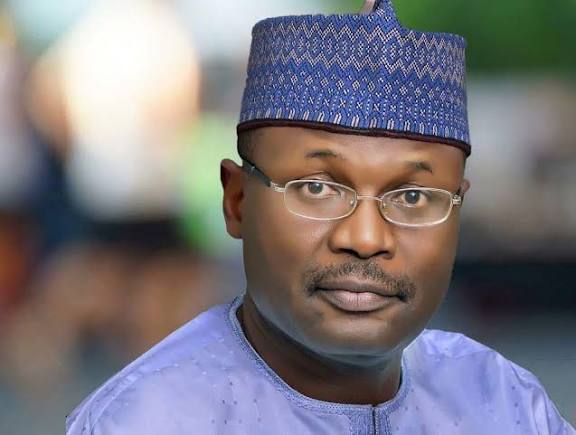
Nigeria stands today at a distressing intersection of political carelessness, declining credibility, and eroding public trust. The recently released ambassadorial nomination list from the Presidency has once again exposed the widening gulf between what the people desire and what the government insists on doing. Among the names put forward, the choice of Professor Mahmood Yakubu—one of the controversial faces linked to the disputed 2023 general elections—casts a troubling shadow over the entire process. Like countless Nigerians, I remain baffled that such a figure could be considered for another sensitive national assignment.
Yes, Section 147 of the 1999 Constitution (as amended) grants the President the power to appoint ambassadors subject to Senate confirmation. However, this prerogative is not a decorative privilege or a political gift bag for party loyalists. It is a constitutional responsibility to be exercised in the best interest of the nation—not as an APC survival strategy, not as repayment of political IOUs, and certainly not to the exclusion of Nigeria herself.
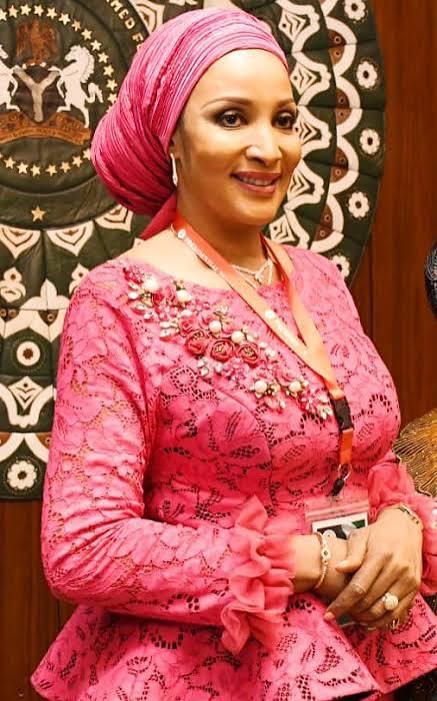
It is this same pattern of political recycling that Aisha Yusuf, in her widely circulated article, forcefully condemned. She warned that a nation cannot rise above the character of those it elevates, and that the habitual appointment of individuals burdened with damaged public perception only entrenches impunity. She noted that when government rewards questionable figures, it signals to the world that Nigeria lacks the moral seriousness expected of a country seeking global partnerships, foreign investment, and diplomatic respect. Her argument fits squarely into this present controversy.
Nigerians now suspect—rightly or wrongly—that Professor Mahmood was never the neutral electoral umpire he projected himself to be. The perception that he may have been quietly aligned with the ruling party raises a profound legitimacy concern. If he was indeed partisan while officiating an election, then his nomination is not merely problematic—it is a democratic betrayal. We urge him to reject the appointment and prove us wrong. We urge the Senate to rise above timidity and demonstrate that it is not a rubber stamp. And we call on the President to reaffirm that he is the leader of all Nigerians, not just the custodian of party interests.
History and law both warn against deploying individuals of questionable standing into sensitive positions. Nigerian jurisprudence, including moral standards highlighted in FRN v. Dariye, stresses that public office is a sacred trust requiring individuals of impeccable reputation. Diplomats represent Nigeria before nations that rigorously vet foreign envoys. A tainted ambassador risks visa restrictions, persona non grata declarations, host country refusals to engage in sensitive discussions, and even targeted sanctions.
Moreover, individuals perceived as compromised pose significant national risks:
vulnerability to blackmail,
leakage of classified information,
weakened consular representation,
demoralization of career diplomats,
and the erosion of institutional meritocracy.
Civil society, the media, and respected voices like Aisha Yusuf have warned that rewarding controversies fuels cynicism and corrodes trust in democracy. Nigeria cannot continue down this dangerous path.
For the sake of national dignity and global credibility, Professor Mahmood Yakubu’s name must be removed. The time to choose integrity over convenience is now.
A Nation Undermined by Misappointments: Why Professor Mahmood yakubu Must Be Removed from the Ambassadorial List By Barrister Joseph Obinna Aguiyi




Leave a Reply